Most people aren’t buying a bare cam and piecing together the entire valvetrain from scratch. A good cam package already covers the cam, springs and most of the major parts.
The stuff that holds up the job is usually whatever you assumed was included: one-time-use hardware, a seal, the correct VVT parts or something else that doesn’t become obvious until the truck is apart.
This list covers the parts, tools and measurements worth checking before starting an L83 or L86 cam swap.
THE STARTING POINT
Start With a Good Cam Package
For an L83 or L86, I’d start with either Brian Tooley Racing or Gwatney Performance Innovations. Both offer configurable packages, and what’s included depends on the options you select, so go through every dropdown before ordering.
I’m not going to call one cam the best choice for every truck. Vehicle weight, converter, gearing, power adder, intended rpm range and how you actually use the truck all matter. One of the established off-the-shelf grinds will probably work great. Most people don’t need a custom-cut cam.
A configurable kit may show lifters, gaskets, hardware and pushrods on the page without including all of them in the base price.
HEADS-OFF WORK
AFM/DOD Delete Parts
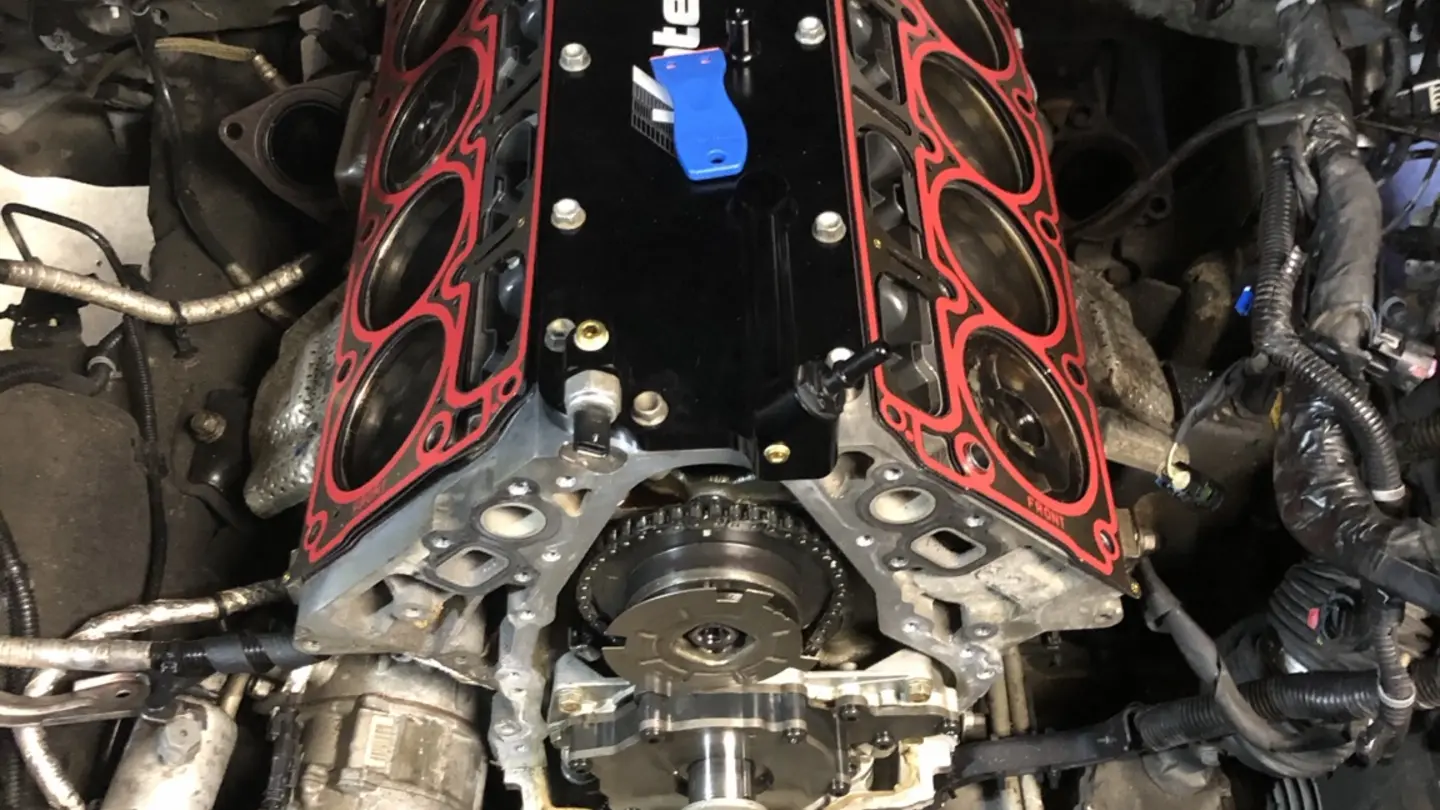
Replacing the AFM lifters means removing the cylinder heads. A typical delete requires:
- Sixteen non-AFM lifters
- Four lifter trays
- AFM oil-passage plugs or an appropriate replacement valley cover
- Head gaskets
- New torque-to-yield head bolts or reusable head studs
- AFM disabled in the calibration
Some packages include all of it. Others let you add each part individually. With the heads already off, inspect the valve guides, seals, rocker trunnions and the rest of the valvetrain instead of blindly putting everything back together.
Having a local machine shop disassemble, clean, inspect and reassemble the heads with the new parts is also a good option. It may be cheaper than you think if you don’t already own the tools.
The supporting-part and tool links below include Amazon affiliate links. As an Amazon Associate I earn from qualifying purchases.
TIMING CONFIGURATION
VVT and Timing Parts
The correct VVT setup depends on the cam. That may mean a limiter, lockout or complete delete. Confirm that you have:
- The VVT hardware recommended for the cam
- A new phaser bolt when a factory-style phaser is retained
- The correct cam retainer plate, gasket and hardware
- A timing-chain tensioner or guide if the original is being replaced
- The matching calibration changes
A limiter, lockout and delete are not interchangeable just because they appear beside one another on an order page. Many packages call for either a 4-degree limiter or a zero-degree lockout/delete. Use the exact setup listed for the cam.
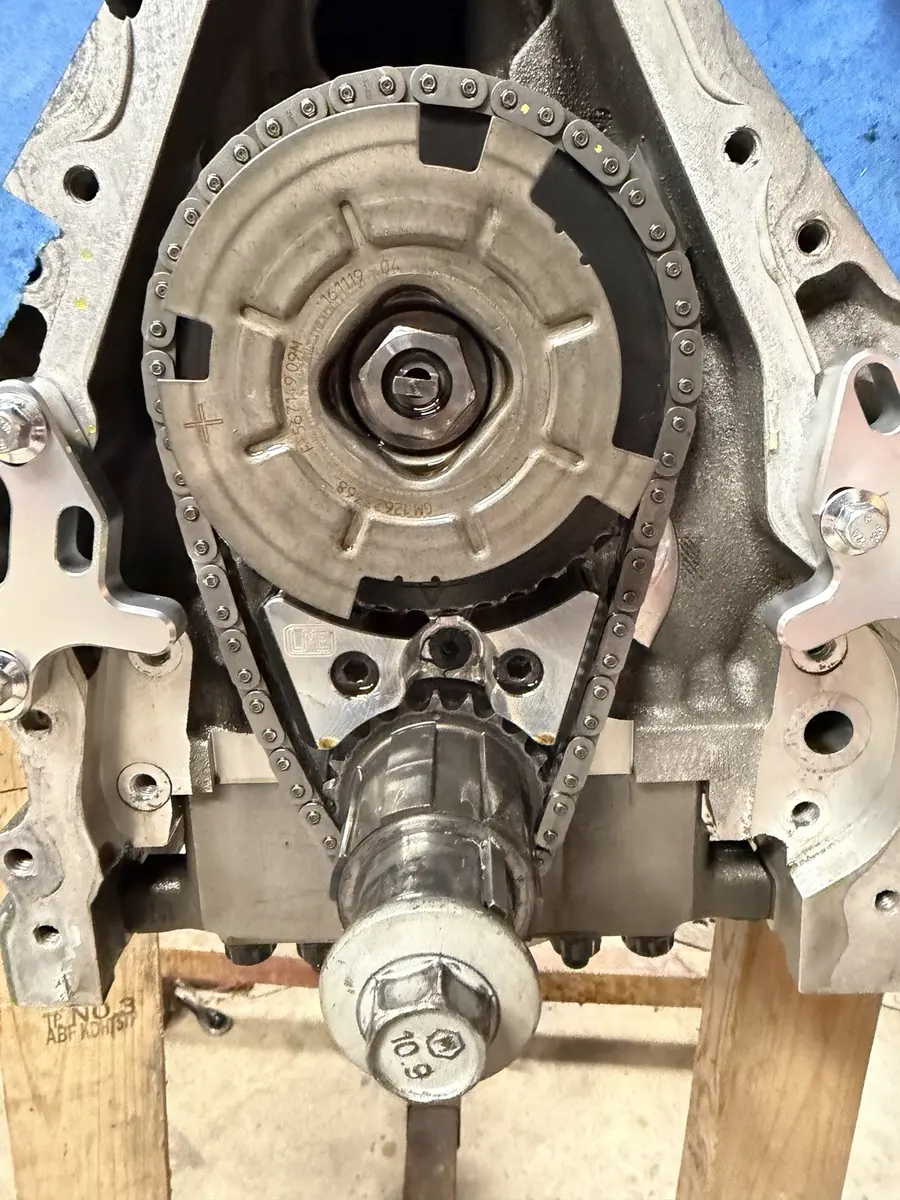
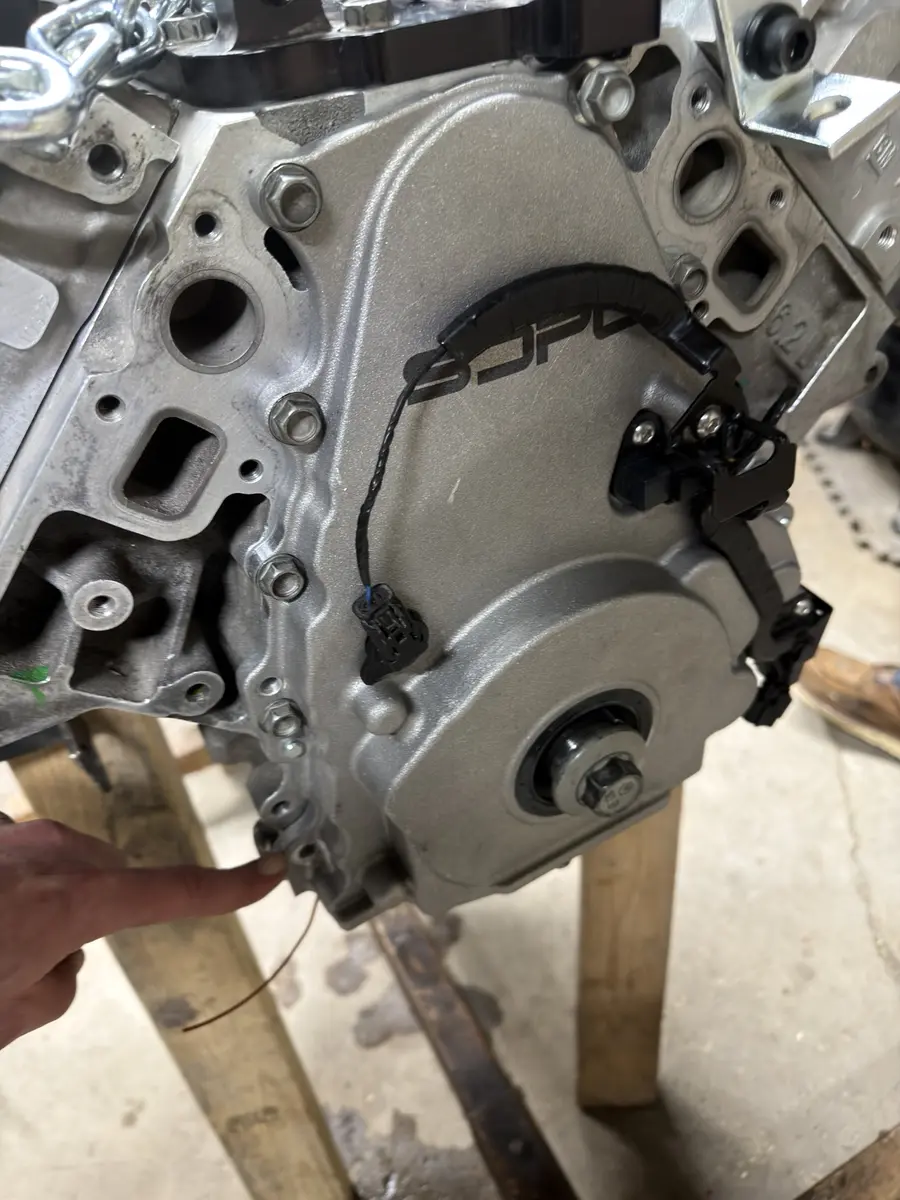
Installation position and chain-indexing details are covered in the Gen V cam timing reference →
MEASURE THE ASSEMBLED ENGINE
Measure Pushrod Length
A package may include pushrods, but I would still verify the required length on the assembled engine. Cam base circle, lifter design, head milling, gasket thickness, valve work and normal production tolerances can all change the answer.
The correct pushrod is the one that produces the intended preload in your engine. Don’t order a length just because someone with a similar truck used it.
Establish zero lash, measure the checker and use the Gen V Garage pushrod-length and lifter-preload calculator →
DIRECT-INJECTION DRIVE
Check the HPFP Geometry
The cam’s fuel-pump lobe, base circle and the installed high-pressure pump all affect pump geometry. Depending on the combination, a lash cap may be required. Another combination may specifically require that one not be used.
Verify:
- The cam manufacturer’s recommendation and fuel-pump lobe specification
- The installed HPFP and follower
- Whether a lash cap is required
- Preload at minimum fuel-lobe lift
- Remaining pump travel at maximum lift
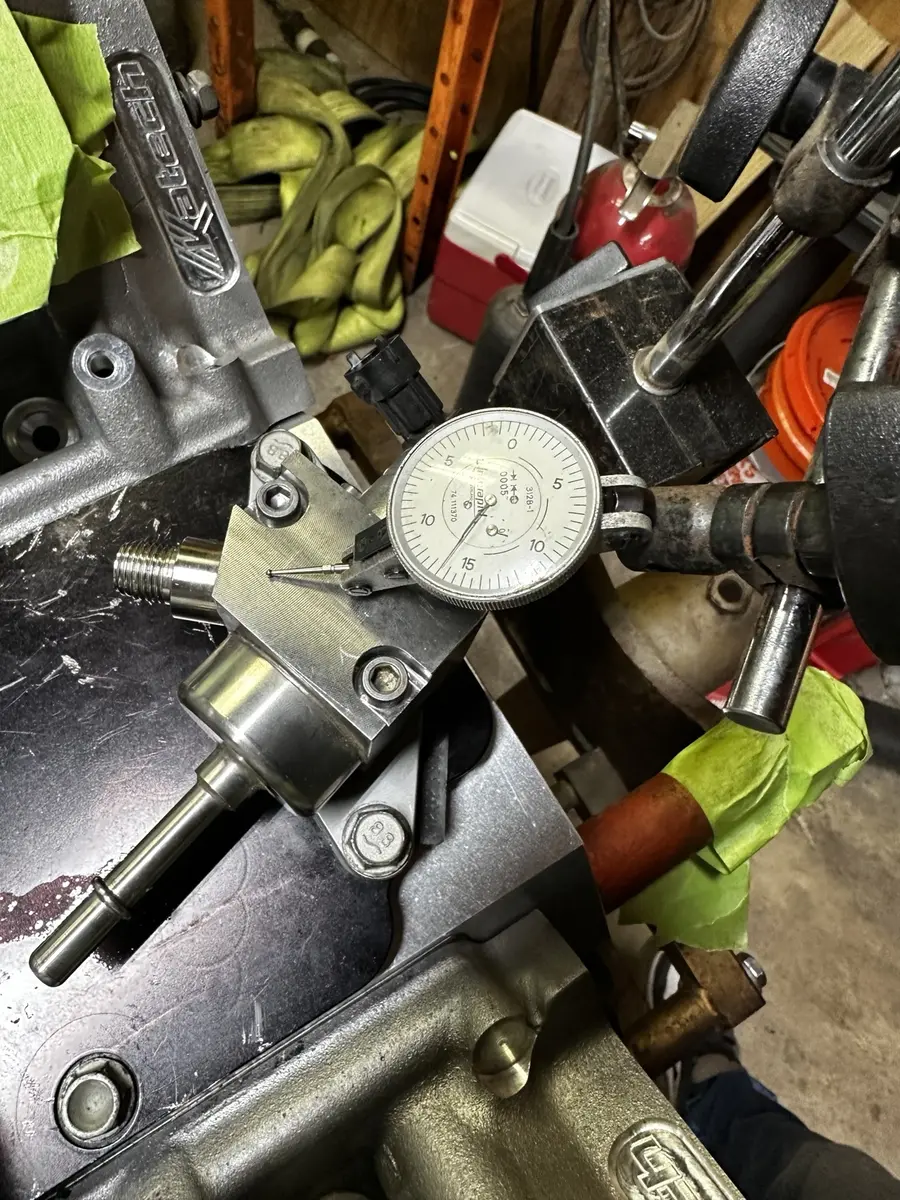
The complete procedure is in the Gen V HPFP lash and available-travel guide →
DON’T ASSUME CLEARANCE
Piston-to-Valve Clearance
Don’t assume piston-to-valve clearance is safe because someone else ran the same advertised cam. Clearance changes with cam timing, phaser movement, piston design, head milling, gasket thickness, valve work and actual short-block dimensions.
If the combination falls outside what the cam supplier has confirmed, measure it. This matters even more with milled heads, thinner gaskets, larger cams, altered cam timing or a short block that is no longer stock.
Especially if you’re trying to put a large cam in an L83/5.3.
THE JOB-STOPPERS
Gaskets, Seals and One-Time-Use Hardware
This is the group most likely to leave the truck sitting apart while you wait for one missing part. Check for:
- Head gaskets
- New head bolts or studs
- Intake-manifold gaskets
- Exhaust-manifold or header gaskets
- Valve-cover gaskets
- Water-pump housing gaskets
- Front crankshaft seal
- HPFP gasket
- Cam retainer plate and gasket
- New phaser bolt where applicable
- New application-correct crankshaft balancer bolt
- Oil-pickup-tube seal
- RTV for the front-cover and oil-pan joints
- Any additional oil-pan seals disturbed during the job
The intake and valve-cover gaskets can normally be reused if they remain undamaged and in good condition. Inspect them before deciding they’re going back on.
Don’t automatically coat every bolt in sealant. Use it only on the holes and fasteners that require it, and follow the product or service instructions.
BEFORE THE TRUCK COMES APART
Tools Worth Having
- An inch-pound torque wrench for the smaller covers and fasteners
- A foot-pound torque wrench for the larger fasteners
- A torque-angle wrench or separate angle gauge
- A harmonic-balancer puller and the correct installation setup
- A Gen V valve-spring compressor
- An adjustable pushrod checker and caliper long enough to measure it
- Feeler gauges and a dial indicator where required
- Piston-to-valve checking equipment if clearance must be measured
- An oil-pump alignment tool
- Fuel-line disconnect tools
- A scan tool or tuning interface
- The correct torque specifications and tightening sequences
Use the correct installation procedure and have a way to hold the crankshaft. A used bolt may be used during the seating stage when the service procedure calls for it, but final installation requires a new, application-correct bolt. Don’t use the new torque-to-yield bolt to pull the balancer into position.
Bolt order and staged tightening information are in the Gen V Garage tightening-sequence reference →
THE EASY STUFF TO FORGET
Fluids and Consumables
- Engine oil and filter
- Coolant
- Assembly lubricant
- Brake cleaner
- Correct RTV
- Threadlocker or sealant where specified
- Shop towels
- Fresh spark plugs if they’re due
- Plug wires if they’re being replaced
- O₂-sensor extensions if adding long-tube headers
Use the sealant and thread treatment specified for the part. More isn’t better.
MAKE THE COMBINATION WORK
Converter and Drivetrain
Not every cam requires a converter, but choosing a cam without considering the converter is an easy way to make a heavy truck miserable to drive. Vehicle weight, gearing, tire diameter, transmission, powerband and how the truck is used all matter.
I’ve been happy with the billet triple-disc Circle D converter in my truck. They’re good at helping spec the right converter for the combination. It also doesn’t hurt to involve whoever is tuning it before ordering the cam or converter.
If the cam requires a converter, treat it as part of the combination instead of something to figure out afterward. Otherwise, you may be dropping the transmission or pulling the engine again and doing the labor twice.
PLAN IT BEFORE FIRST START
Tuning
Depending on the build, the calibration may need changes to:
- AFM/DOD
- VVT control
- Idle airflow and speed
- Fueling
- Spark
- Torque modeling
- HPFP and fuel-lobe settings
- Converter and transmission behavior
Finishing the mechanical work and then trying to find someone willing to tune it is backwards. Have the plan handled before the first startup. A Gen V torque-based ECM is not a great place to learn by guessing.
ONE LAST PASS
Final Cart Check
Cam and valvetrain
- Cam selected for the complete combination
- Springs, retainers, locks and seals
- Correct VVT hardware and one-time-use bolts
- Pushrod measurement plan
- PTV clearance confirmed or scheduled to be checked
AFM delete and heads
- Sixteen lifters and four trays
- Valley plugs or replacement cover
- Head gaskets
- Head bolts or studs
- Machine-shop work arranged if needed
Fuel and tuning
- HPFP and fuel-lobe compatibility confirmed
- Lash-cap requirement confirmed
- Pump preload and travel will be checked
- AFM and VVT changes included in the tune
- Converter compatibility considered
Sealing, tools and fluids
- All disturbed gaskets, seals and RTV accounted for
- New balancer bolt and correct installation setup
- Torque-angle, spring and measurement tools ready
- Oil-pump alignment tool available
- Oil, filter, coolant and assembly lube on hand
THE BOTTOM LINE
The kit is the beginning of the order, not the end.
A good cam package can put most of the major parts in one order. You still need to check what you actually selected and account for everything around it.
The four things I wouldn’t assume are pushrod length, HPFP geometry, piston-to-valve clearance and the calibration. Those belong to the assembled combination, not somebody else’s parts list.
Check the cart before the truck comes apart. Waiting three days for one bolt, gasket or lash cap gets old fast.