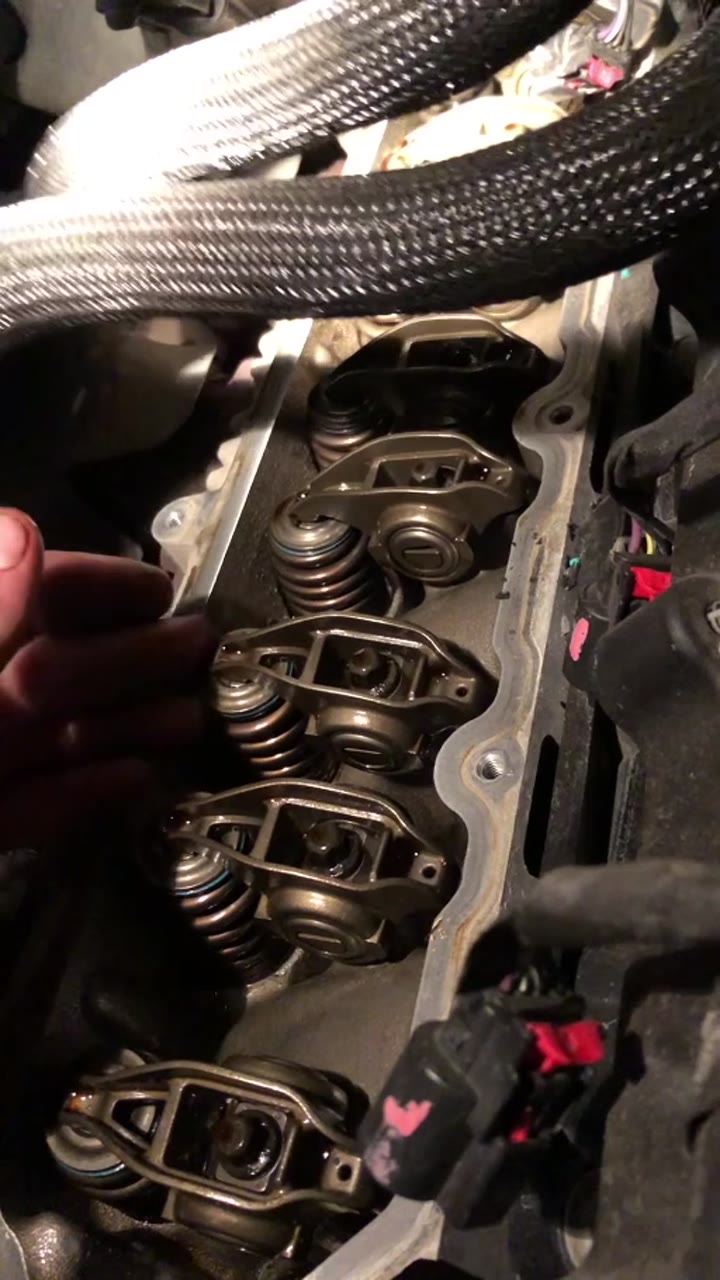
An OBD-II disabler or calibration change can keep the ECM from commanding cylinder deactivation. That stops the engine from switching into AFM or DFM operation, and plenty of people prefer how the vehicle drives afterward.
What it does not do is remove the special lifters, locking pins, oil passages or control hardware from the engine.
The system has been disabled. It has not been mechanically deleted. Those are two different things, even though people use the terms interchangeably constantly.
THE IMPORTANT DISTINCTION
Disabled Versus Deleted
| Configuration | What changes | Special lifters remain? | Repairs damage? |
|---|---|---|---|
| Factory AFM or DFM | System operates when commanded | Yes | No |
| Plug-in disabler | Prevents commanded cylinder deactivation | Yes | No |
| Calibration change | Prevents commanded cylinder deactivation | Yes | No |
| Mechanical delete | Replaces the deactivation hardware with compatible conventional parts | No | Only if all damaged parts are found and replaced |
A disabler can keep the engine in full-cylinder operation. It cannot turn an AFM or DFM lifter into a conventional lifter.
It also cannot repair a damaged locking pin, worn roller, collapsed lifter, bent pushrod or damaged cam lobe.
APPLICATION MATTERS
First, Figure Out Which System You Actually Have
Gen V does not automatically mean one cylinder-deactivation system.
- L83 and L86 truck and SUV applications use AFM.
- L82 truck applications use AFM with a different oil-control arrangement.
- L84 and L87 truck and SUV applications use DFM.
- LT1 and LT4 operation depends on the vehicle and transmission.
- Camaro LT1 applications only activate AFM with the automatic transmission.
- Camaro LT4 engines have the hardware, but GM lists AFM as not active.
- C7 Corvette LT1 and LT4 applications use AFM with the automatic transmission, while manual cars only activate it in Eco mode.
- LT2 applications use four-cylinder deactivation with a different arrangement than the earlier AFM truck engines.
- LT5 and L8T applications do not have the cylinder-deactivation hardware.
GM also produced some L82- and L84-equipped trucks with RPO YK9. Those engines still contain the AFM- or DFM-related internal hardware, but the ECM and software are not capable of activating cylinder deactivation.
RPO YK9 is basically a factory example of the point being made here. Check the engine RPO, vehicle application and transmission before buying parts.
WHAT ACTUALLY CHANGES
What an AFM or DFM Disabler Does
The exact method depends on the device or calibration, but the result is the same: the ECM does not command cylinder deactivation.
- No switching between full-cylinder and reduced-cylinder operation
- More consistent exhaust sound
- Less noticeable vibration or mode transition
- More predictable throttle response
- No commanded collapsing and reactivating of the deactivation lifters
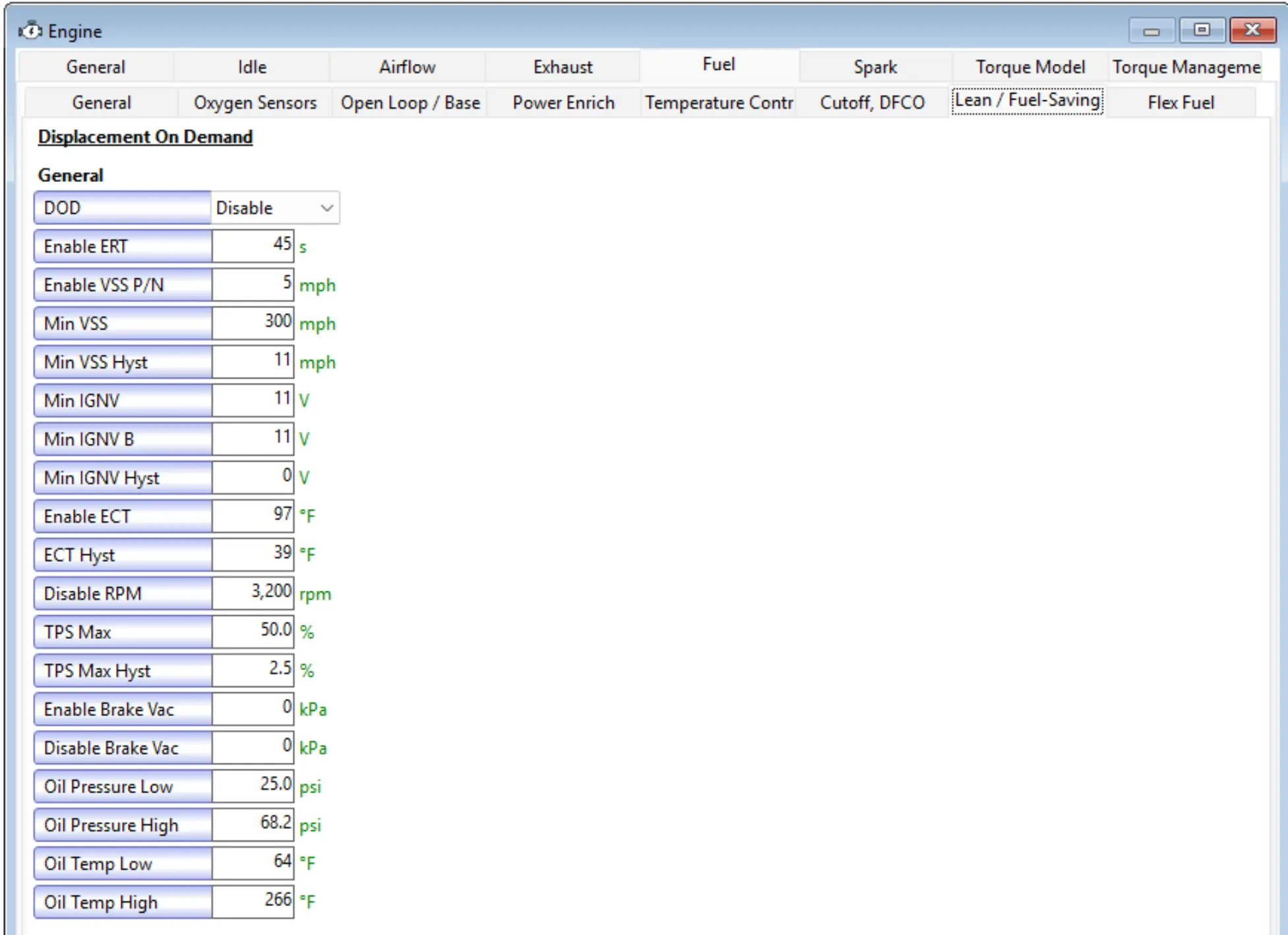
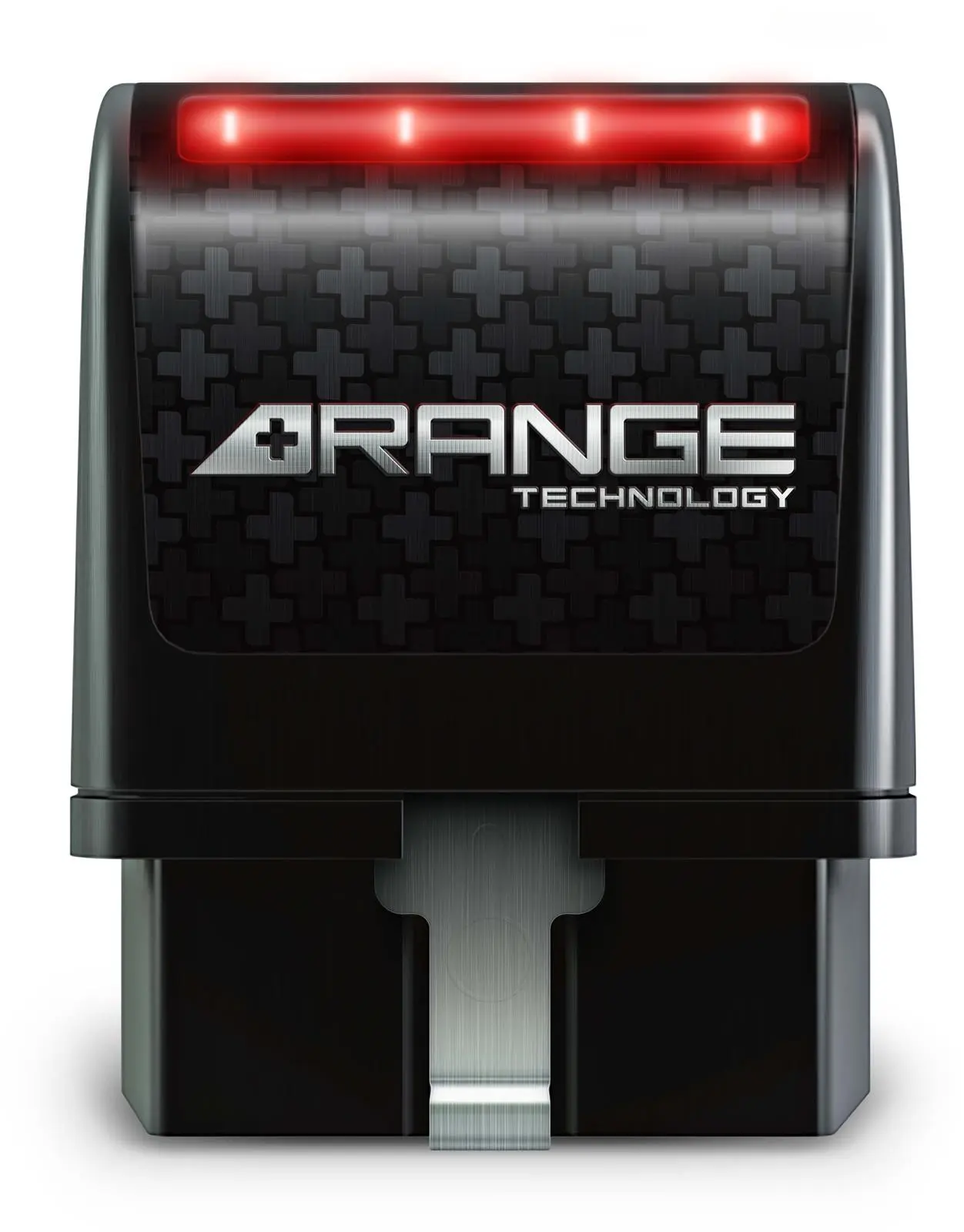
Either approach can keep the system from being commanded. Neither approach mechanically removes the AFM or DFM hardware.
That last point is why people assume a disabler completely prevents lifter failure. It may reduce the number of times the internal locking mechanism is cycled. What we do not have is reliable data showing that a disabler eliminates failure or reduces it by some specific percentage.
Anecdotes go both ways. Some engines run for hundreds of thousands of miles with AFM or DFM active. Some fail early. Some have a disabler installed and never have a problem. Others still lose a lifter afterward.
Anyone promising that an OBD-II device makes lifter failure impossible is selling more certainty than the evidence supports.
THE PARTS KEEP MOVING
Why Can the Lifters Still Fail?
Even when cylinder deactivation is disabled, the lifters do not stop moving.
The roller still follows the camshaft. The lifter body still travels in its bore. The internal locking components are still inside the lifter. The pushrod, rocker, valve and spring are all still doing their jobs every time the engine runs.
GM’s own service information lists several possible causes behind AFM-related misfire and tick complaints, including:
- An AFM lifter that is mechanically collapsed or stuck
- Internal locking-pin damage associated with oil aeration
- A lifter stuck in its bore
- A bent pushrod
- Damage to the camshaft lobe or lifter roller
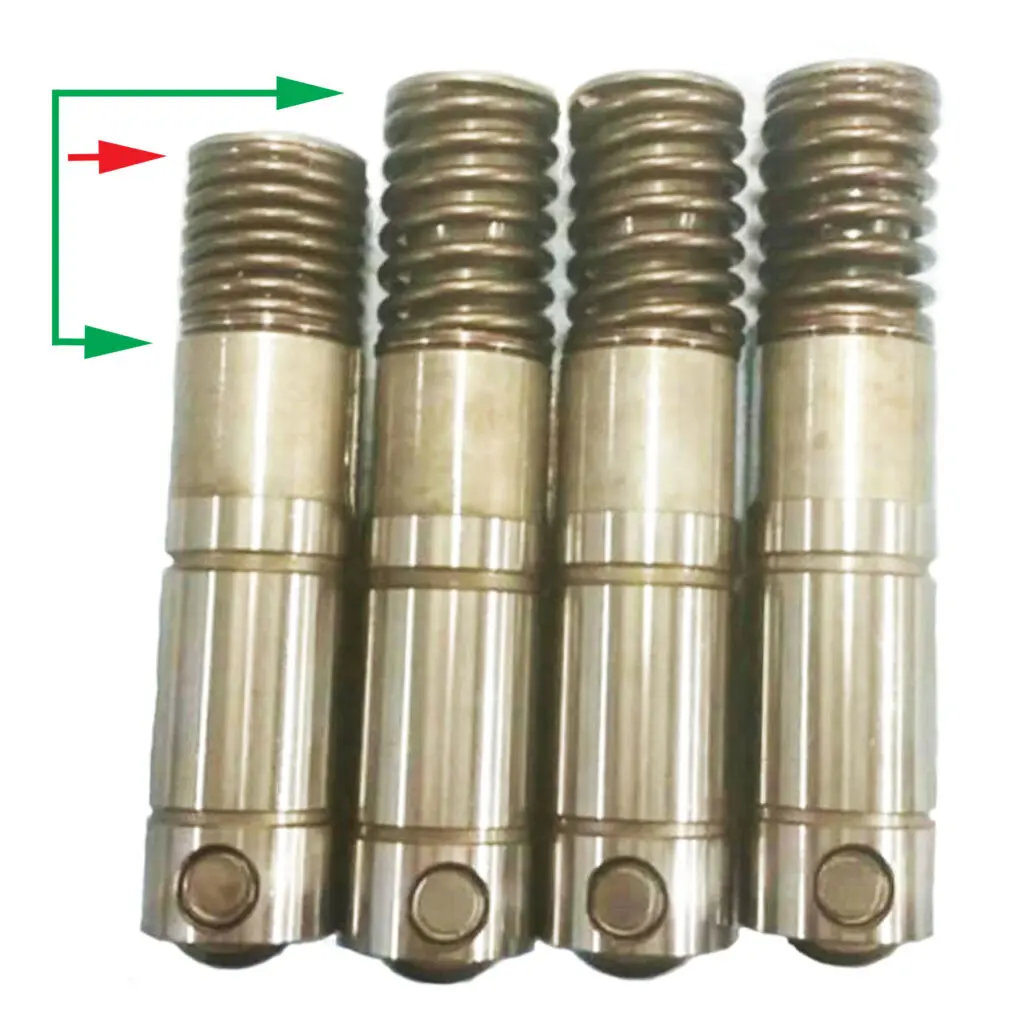
Disabling AFM or DFM may stop future commanded deactivation events. It does not make worn or damaged parts healthy again.
DON’T MIX THE PARTS LISTS
AFM and DFM Are Not the Same System
AFM normally deactivates a fixed group of four cylinders during light-load operation. On the common Gen V V8 AFM arrangement, those are cylinders 1, 7, 6 and 4.
DFM is more involved. It can deactivate different combinations of cylinders and move between multiple firing patterns. The L84 and L87 use individual oil-control solenoids for each cylinder, allowing the system to control the intake and exhaust lifters across all eight cylinders.
That difference matters when diagnosing a problem or planning a mechanical delete.
An L83 or L86 AFM delete parts list should not be blindly applied to an L84 or L87 DFM engine. The same goes for LT1, LT4 and LT2 car applications. The basic idea is similar, but the camshaft, lifters, oil-control hardware, calibration and supporting parts must match the actual engine.
DIAGNOSE IT FIRST
What If the Engine Is Already Ticking?
Do not install a disabler and hope the noise disappears.
A Gen V engine makes plenty of normal mechanical noise. Direct injectors and the high-pressure fuel pump are not quiet. Exhaust leaks, valvetrain clearance, broken valve springs, rocker problems and several other issues can also sound like a lifter.
A consistent tick accompanied by a misfire, P0300, cylinder-specific misfire activity or reduced valve movement needs to be diagnosed.
GM’s published repair information specifically calls for inspecting the camshaft lobes and lifter rollers for damage. It also states that the lifter guides should be replaced whenever a lifter is replaced.
That inspection matters. Replacing one collapsed lifter while ignoring a damaged cam lobe, worn roller, bent pushrod or damaged lifter bore is a good way to do the job twice.
THE HEADS COME OFF
What Does a Real Mechanical Delete Involve?
The exact parts depend on the engine, but a proper mechanical delete generally involves:
- A compatible non-AFM or non-DFM camshaft
- Compatible conventional lifters
- New lifter trays or guides
- The correct oil-passage or valley-cover solution
- New head gaskets
- New torque-to-yield head bolts or reusable studs
- Any required timing, phaser or VVT components
- Calibration changes
- Inspection of the camshaft, lifter bores, pushrods, rockers and valve springs
The cylinder heads have to come off to access the lifters. Once the engine is that far apart, inspect everything instead of assuming the failed lifter is the only damaged part.
For L83 and L86 truck applications, the Gen V Garage cam-swap parts list covers the commonly forgotten hardware, gaskets, tools and measurements.
Use the Gen V Garage torque specifications and tightening-sequence reference during reassembly.
SET THE RIGHT EXPECTATION
Is a Disabler Still Worth Using?
It can be, as long as you understand what you are buying.
If you dislike the way the vehicle transitions into cylinder-deactivation mode, want consistent exhaust sound or simply prefer full-cylinder operation, a disabler or proper calibration change may accomplish exactly what you want.
If the engine already has a tick, misfire or mechanical problem, diagnose it. A device cannot repair damaged parts.
If the engine is healthy, disabling AFM or DFM is a personal decision based on drivability, emissions compliance, warranty concerns and how the vehicle is used.
If the engine is already apart for a camshaft, failed lifter or performance build, that is the time to decide whether a complete mechanical delete makes sense for the application.
THE BOTTOM LINE
Disabled and deleted are not the same thing.
Disabling AFM or DFM prevents the ECM from commanding cylinder deactivation. Deleting AFM or DFM replaces the hardware that makes cylinder deactivation possible.
Could disabling the system reduce the amount of cycling the special lifters experience? Yes. Does that guarantee one of those lifters will never collapse, stick, wear out or damage a cam lobe? No.
Use a disabler because you want the system inactive or prefer how the vehicle drives. Do not buy one believing it removed the failure-prone parts from the engine, because it didn’t.
PRIMARY REFERENCES